

How does a business use social media?
- To promote a new business or new products by using adverts.
- To show the website of the business so the target audience can see what products your business has and what their prices are.
- To show the Range of the prices of the products
- To show what Discounts the business will have. The special offers the business will have eg (Black Friday)
- Research of the competitors eg (prices, products they sell, target audience or location of their competitors.)
- Link to all their different social media accounts, address of the business or phone number of the business.
- Celebrity endorsement so if a famous person wears certain clothes on an advert to promote the business it will get people to buy the clothes if they like that celebrity who is wearing the clothes.
- Business ideas or design by using the business colours to maybe create a logo or design the business.
- Find their target audience that includes the target audience for certain products and the different categories can include age range, gender or interest by possibly doing a questionnaire.
Why use social media?
As traditional methods of marketing to customers like advertising or direct mail become less and less effective, businesses are turning to social mediums to connect in positive ways with consumers and the people who influence them. We need to be acutely aware just how social media has fundamentally changed the way we are connecting, communicating and collaborating as individuals, and therefore society as a whole.
- The key to social media success is not to get hung up on the tools and technology, but to focus on how you can use them more effectively to:
- increase the visibility of your personal brand and that of your business
- build and cultivate your personal and professional networks
- develop and grow relationships with customers and influences
- engage in real-time two-way interaction with people, including answering queries
- publish and distribute original content that demonstrates your expertise
- share curated links to relevant information that adds value to the lives of your customers
- communicate with your community of followers, advocates and supporters
- ultimately generate new leads and boost sales for your business.
Understanding the social media equation?
Think of social media in two parts.
Firstly, there is social media participation – this is where you’re present on social channels and are constantly delivering value to the online community in the form of:
- sharing other people’s content (User Generated Content or USG) on Facebook or LinkedIn, retweeting them if you’re on Twitter or reg ramming on Instagram.
- answering people’s questions if you’re in a position to help – whether they’re directly related to your business or not
- joining the conversation on a particular topic – this could be a group on Twitter talking about a certain issue that’s sprung up through the media, or joining a LinkedIn Group
- leaving genuinely interesting and relevant comments on selective blogs you read and podcasts you listen to
- promoting other people’s businesses and causes, for example, your municipal council may be running a street festival that could be good for you to be promote via your networks.
Before jumping into conversations on social networks, it’s critical that you:
- listen first
- sit back and take note of the ‘lay of the land’
- try and get acquainted with the nuances of the particular network on which you intend to become active.
Secondly, there is the creation and distribution of original content that informs, empowers, educates and/or entertains – content that will attract the right people to your brand, potential customers as well as the people who influence them.
To be effective however, content published and promoted via social media needs to be created with the audience in mind, which is why it’s important you first understand who you’re trying to communicate with and where they hang out online.
Creating content with the customer in mind
- More often than not your content should provide utility. In other words, it needs to be useful, relevant and add value to people’s lives. It could simply be information that answers people’s questions or satisfies a need they have relevant to your business, or it may be more around providing ‘thought leadership’ and demonstrating your knowledge and expertise.
- For example, this might mean an accountancy practice that publishes a blog post outlining its top tips on how to approach end-of-financial-year tax issues.
- Once you create your content, it’s then simply a matter of publishing it to one or more of the myriad of platforms available which is best suited to your business needs, and sharing the links with your followers on social networks.
- Building your presence on social networks is important – not only because they make for excellent content distributors, search engines such as Google use social media shares to determine the usefulness of content to an audience, so social media presence can also positively affect search rankings.
What Are The Benefits Of Advertising On Social Media Channels?
- Why is social media advertising your best advertising bet for quick ROI? Because…
- Most channels require significant lead time to yield an ROI. For example, content marketing works best over time after it has been able to yield back links and SEO traction.
- Some channels yield quick results but not day in and day out. For example, influencer marketing can earn you quick results in terms of sales for low effort (though high cost). But those results don’t continue occurring over time. Instead, you earn sales on a per post basis, and often less each time it is posted.
- Some channels are consistent but time consuming to dial in. For example, Ad Words can produce consistent results for your brand, but it takes a while to master and earn specific placement.
- With social media advertising, you can have consistent sales coming in from the first day your website is live.
- For modern ecommerce sites, the ability to immediately and consistently bring in new customers is a HUGE deal. Even if you can’t achieve net positive revenue on the initial sale, referrals, email marketing and customer retention can pay off extensively with every marginal customer.
- This is why global social ad spending doubled from $16 billion in 2014 to $31 billion in 2016 and is projected to increase another 26% in 2017.
- In this guide, we’re going to explore how YOU can drive consistent sales for your website through social media advertising.
- We’ll look at some of the most popular social platforms, provide some advanced tactics and tips for dialing in your campaigns, and teach you how to efficiently manage multi-channel advertising without losing your mind.
The Different Types Of Social Media Platforms To Serve Ads:
Social networking (Facebook, LinkedIn, Google+).
- Micro blogging (Twitter, Tumblr).
- Photo sharing (Instagram, Snapchat, Pinterest).
- Video sharing (YouTube, Facebook Live, Periscope, Vimeo).
The 6 Best Social Networks for E commerce Advertising
New social media networks come out every week, most of which will never gain any sort of traction.In our opinion, it’s best to start with the most popular platforms, then once you have profitable systems running, you can look at allocating a percentage of your budget toward more experimental campaigns.
In 2018, there are 6 different social media channels where you can follow proven ad strategies and generate consistent ROI.
These are the best places to invest your ad money right now.
- pinerest
- snapchat
Benefits Of Advertising Through Social Media Include:
- Grow your sales and your fan base.
- Use customer generated content for ads (which perform better, too!).
- Better target net new and returning customers (so you waste less money).
- A/B test on the fly, using platform analytics to determine winners.
- One of the fascinating things about social advertising is that there is virtually no limit to your ability to scale.
- You don’t have to wait for someone to search for your targeted keywords. You don’t have to wait for someone to run your promotion or read your blog. If you want to reach 50,000 people in one day, you can.
- Which social media network you choose will depend on 3 VERY important factors:
- Where your target customers are most concentrated (usage, groups, etc.)
- Where your target customers are most accessible (preferred media, ad targeting, etc.)
- Where your target customers most actively engage with ads (testing required)
- Finding success on social media requires you to thread a number of needles together somewhat seamlessly.
- You have to present a compelling offer via a compelling medium to people who will actually find it compelling, in a place those people will actually see it.
- When you add the advertising element on top of that, you also need to a find a platform where users will actively engage with paid ads.
- Let’s take a closer look at what each of these 6 platforms offer to help you decide where it’s worth your time and money to invest.
- Big Commerce customers using Ecommerce Insights can quickly export a list of their highest AOV and highest LTV customer cohorts and then use those to find lookalikes on Facebook.
Snapchat Advertising
- Snapchat is one of the newer platforms to emerge on the scene as a competitive force with301 million monthly active users.
- While it remains to be seen if the company will succumb to Instagram’s social video push, as of now, it’s a viable advertising platform with a highly active user base.
- Where Snapchat Advertising Shines
- There’s really only one stat you need to know to understand the value of Snapchat. On any given day, Snapchat reaches 41% of all 18-34 year-olds in the United States.
- … let’s repeat that.
- 41% of ALL 18-34 year olds in the U.S. will interact with Snapchat today.
- That’s where Snapchat shines. But things get tricky when it comes to pricing…
- How Snapchat Advertising is Priced + See It In Action
- Snapchat has a number of advertising options, most of which are quite expensive. Wallaroo Media provides us with the full breakdown:
- Snap Ads
- Snap ads are mobile, interactive video ads with 5X higher swipe-up rate than the average click-through rate for other comparable social platforms. These cost between $1,000 – $3,000 per month to run.
- Sponsored Lenses
Twitter Advertising
- Twitter has revolutionized breaking news and provided unparalleled access for users to connect with both niche and mainstream influencers.
- With 328 million monthly active users, it remains one of the most popular social media platforms.
- Where Twitter Advertising Shines
- Well, it isn’t really Twitter advertising that shines…
- Unlike Facebook, Twitter is still a viable network for organic engagement. Brands don’t need to pay in order to reach their followers, which enhances the platform’s value even when running paid ads.
- On average, Twitter users shop online 6.9x a month, while non-users shop online just 4.3x a month. And there’s particularly good news for smaller businesses: Twitter reports that 60% of users purchase from an SMB.
- Ecommerce stores today use Twitter ads primarily to drive brand awareness and promote specific products for direct conversions. The most common model is Twitter website cards hosting under 100 characters and displaying some variety of rich media.
- How Twitter Advertising is Priced
- On average, a thousand ad impressions (CPM) on Twitter ads cost between $9 and $11 while clicks cost roughly 25-30 cents each. Both optimized campaigns bring about similar levels of engagement for a minuscule price difference.
- Twitter ad cost has been steadily increasing over the last 2 years due to more marketers slowly taking advantage of the platform, but overall, the platform is considered to be relatively underutilized for advertising.
- Twitter is considered to be relatively underutilized for advertising.
How To Set Up a Twitter Advertising Campaign
- There are a number of different campaign types you can set up in Twitter:
- Promoted Accounts
- Promoted Tweets
- Promoted Trends
- Website Cards
Twitter Advertising Advanced Tactics
- Use a relevant, compelling image that gives context to the viewer, fits your brand and draws attention. Rich media is a non-negotiable on Twitter.
- Be very targeted with the products or lead magnets you choose to promote. Twitter requires a more focused approach than other channels.Facebook Advertising
-
Facebook Advertising

Facebook is THE universal social media network.
With more than 2 billion monthly users, Facebook hosts over a quarter of the world’s population, providing advertisers with an unparalleled opportunity to reach virtually anyone and everyone.
Where Facebook Advertising Shines
When it comes to ecommerce, Facebook excels at lead generation.
If you want email addresses, Facebook is the place to go, with many advertisers reporting costs below $1 per lead.
The most common model used is to run a Facebook ad directly into a high-converting landing page offering some variety of a free lead magnet or bundle product.
Common examples of content for social media advertising campaigns include:
- Whitepapers.
- E Books.
- Product coupons.
- Site wide disco
The 6 Most Effective Types of Social Media Advertising in 2018.
- Limited-time offers.
- Giveaways.
- Free shipping.
These leads can then be nurtured with a targeted auto responder that introduces them to your brand and products.
Expression Fiber Arts does a really great job of this –– offering free products, download-ables and predictable discounts and coupons for her audience. Doing so has earned her more than $1,000,000 in annual sales in just 2 years.
Many ecommerce brands also use bundled product offerings to drive home perceived value and earn immediate conversion.
Facebook allows more advanced targeting than any other advertising platform on earth. Advertisers can target by location (within a 5-mile radius), job description, interests, past activity, and many other incredibly valuable criteria.

How Facebook Advertising is Priced
Pricing varies widely based on several factors, including the audience you’re trying to target and the budget you set for your ads.
As a general rule, the more money you spend, the more efficient Facebook’s algorithm becomes at spending your money, increasing your ad performance over time.
According to an extensive study done by AdEspresso, the average cost per click (CPC) of Facebook ads as of 2016 was roughly .28 cents and the cost per 1,000 impressions (CPM) was $7.19.
The study went on to break it down by age and gender as well. The 65+ age grouped showed the most continuous trend of lower CPC costs over time. Females cost on average 4 cents greater CPC than targeting males.
How To Set Up Facebook Advertising Campaigns
There are 3 core parts to setting up and running successful Facebook ad campaigns:
- Setting up your ad
- Setting up targeting
- Setting up re targeting

How Instagram Advertising is Priced
On average, Instagram advertising costs are in the same ballpark as Facebook ads at a cost of $5 per thousand impressions (CPM). While the price may be similar, most current statistics show that Instagram gets much more engagement on their posts and ads than Facebook does.
For instance, Victoria’s Secret saw an average of 2,078 likes per post on Facebook versus 283,030 on Instagram. Similar variances have been found with brands like Mercedes Benz, McDonalds and Playstation.
How To Set Up An Instagram Advertising Campaign
With Instagram being owned by Facebook, setting up Instagram ads is very similar to setting up Facebook ads. Here’s a visual, step-by-step guide to launching a campaign.
Instagram Advertising Advanced Tactics
Focus first on custom audiences. This could be audiences created through pixel tracking, an email list, a followers list or some other method. Lists of users who have engaged with you in the past perform best.
When you are ready to expand past custom audiences, lookalike audiences should be your next stop. Facebook/Instagram’s algorithm is very good at finding similar audiences that will respond well to your ads.
Use custom images of real people. Stock photos do NOT work on Instagram.
Make your offers irresistible. Instagram’s visual nature takes impulse buying to the next level, but you won’t tap into that if you aren’t offering something compelling.
Take hashtags seriously. They are kind of a joke everywhere else, but Instagram is driven by hashtags, and they are a great way to connect with niche audiences.
How Pinterest Advertising is Priced
- Advertising data is a bit more difficult to find with Pinterest. Not too long ago, ads were very expensive at $30-40 per 1,000 impressions and only available to big brands.
- More recent reports indicate that users are experiencing more affordable rates, with one user citing a CPM of $5.30 and a CPC of $1.52, which would put Pinterest in a similar ballpark to other platforms.
How To Set Up A Pinterest Advertising Campaign
When you talk about Pinterest advertising, you are really just talking about promoted pins. For a step-by-step guide to setting up your own promoted pins, check out this guide from Social Media Examiner.
Pinterest Advertising Advanced Tactics
- Creativity sells. Users are looking through hundreds of pins in rapid succession. If you want to get noticed, you need to stand out, either through pure creativity or creative attention grabbing.
- Focus on trends. What are competitors posting? What searches are trending? What products are hot?
- Engage with your followers. Repin your fans and use curated repins to expand your audience and tap into larger audiences.
- Be detailed. Pinterest is essentially a search engine. Include long, detailed descriptions with keywords and hashtags.
- Be very intentional about where your pins are linking. The click-through destination will determine whether or not you waste the click or turn it into a lead or sale.
See Pinterest Advertising in Action
A great example of Pinterest ads in action comes from Native Union, a popular cell phone accessory brand.
The company reposts its high-class lifestyle pictures using its products to highly organize any modern home. The posts have helped Native Union earn wholesale placement in brick-and-mortars like Paper Source –– due to their popularity with 18-30 yr old women.

Who It’s Ideal For
If you don’t have money in hand to hire an outside service… you don’t have money in hand to hire an outside service. That’s just your reality, and it means that if you want to run social ads, you’ll need to do it yourself.
If you are ready, willing and able to devote a significant amount of time to mastering advertising on a given social media channel, this can be a great option for you. If you succeed, you will have the means to bring in income for your business indefinitely.
If you don’t have the money and don’t have the time, there is another option that might be right for you…
- Run Your Ad Campaigns Via Automated Software
Social media advertising is a multi-billion dollar industry, and what does that mean?
It means 3rd party tools – 3rd party tools everywhere.
Over the years, some pretty fantastic software has been developed to aid in the process of running campaigns. These tools are used by in-house teams, agencies and soloprenuers alike to achieve advertising success.
The Pros
- On-site ad managers aren’t always the most user friendly. Tools like Ad espresso, for example, make optimizing Facebook campaigns and analyzing results significantly easier than attempting to do so via Facebook’s Ads Manager.
- Other tools like Adext use artificial intelligence to automate the entire process, allowing you to simply keep tabs on performance without needing to do much else.
- There are hundreds of tools that help you in hundreds of different ways, many of which perform at a high level and limit the time you have to spend manually mastering ad channels.
- The Cons
Great tools nearly always come with noticeable price tags. By and large, social ad management tools tend to be relatively affordable, but they are still an additional expense that must be taken into consideration.
And like investing time in manual mastery, there is no guarantee that any given tool will improve your results or even get results at all. Worse, it’s rarely a simple matter to identify where the tool is underperforming versus where the manual inputs are falling short. In other words, if your ads aren’t succeeding, you might be left clueless at how to troubleshoot the problem.

Facebook Advertising Advanced Tactics
Don’t run the same exact ad(s) to all of your audiences. Your prospecting and retargeting ads should be unique, and your ads for each audience “interest” segment should be tailored to that audience.
Use prospecting ads to build brand awareness and teach people about your product, and then use retargeting ads to seal the deal with users who have already signaled interest. Retargeting ads are ideal for an aggressive pitch and close.
The use of emojis in ads has been spreading like wildfire, even among larger, more established brands. They can be very effective at driving higher CTRs, but as with all strategies, you should A/B test for yourself to be sure.
Always be testing! Ad fatigue is an ever-present challenge on Facebook, and it’s best to rotate in and test new ads every 2 weeks.
Lookalike audiences are a staple for many advertisers… and rightly so. They tend to work very well for prospecting. That said, you should take care not to layer additional targeting on top of the lookalikes if you can avoid it. You run the risk of shrinking your potential reach and missing out on valuable customers.
Better Facebook Advertising Results in 5 Minutes
Big Commerce customers using Ecommerce Insights can quickly export a list of their highest AOV and highest LTV customer cohorts and then use those to find lookalikes on Facebook.
Takes 5 minutes.
See Facebook Advertising in Action
A great example of Facebook ads in action comes from Spearmint LOVE, a baby clothing brand out of Arizona.
Since integrating the pixel, Spearmint LOVE has seen a 33.8X return on ad spend on Instagram alone and a 47% decrease in the cost per purchase.

3 Ways To Manage Social Advertising Campaigns
Now that we’ve taken a look at our top social ad platforms (and perhaps selected 1 or 2 to pursue) it’s time to decide how to manage our campaigns.
There are three primary ways to manage social media campaigns.
Run your ad campaigns manually
Run your ad campaigns via automated software
Hire a managed service to run your ad campaigns
Frankly, there is no “right” answer here. Each of these have strengths and weaknesses and can work for different businesses.
- Run Your Ad Campaigns Manually
- Engagement.Conversions.
- Hire A Managed Service To Run Your Ad Campaigns
The third option is the simplest, the most expensive and in many cases, the most successful. By hiring a managed service, you can expedite the guesswork and stumbling blocks that come with DIY advertising and simply let proven experts handle it for you.
The Pros
If you hire a team that is very good at advertising, you will very likely get really good results… without any work on your part. You get to keep focusing on running your business or marketing team and doing what you do best, while a team of experts takes care of the entire advertising process for you.
Assuming the fee plus direct ad spend is low enough to keep you net positive, you get the primary benefit of advertising – consistent sales and new customers – almost like you are getting it for free.
The Cons
There is only one real downside to hiring an agency: if you don’t do your due diligence (and sometimes even if you do), you can get burned. There are thousands of self-proclaimed experts whose only skill is convincing clients to waste money on them. If you hire a bad agency, you can end up losing a lot of money.
Who It’s Ideal For
Managed ad services are ideal for any business with the desire and resources to start driving new sales and profitable ad campaigns from day one. If you have a social media marketing budget and need immediate results, paid social advertising run by proven experts is THE way to go.
Social advertising is incredibly measurable. You never need to be in question about how your campaigns are performing and the exact ROI you are getting from them. If your campaigns aren’t performing, you know exactly who to blame and can fire the agency running your ads for a new, better agency.
How Much Does Social Media Advertising Cost To Outsource?
Social media advertising management cost will vary depending on who you hire. Agencies and freelancers often charge fees based on 5%-20% of your total monthly ad spend and will often include a management fee.
The impact of communications technology on business
IS YOUR BUSINESS AT RISK FROM VIRUSES?

If something happened to your business software, what would it mean for your business? With technology playing an increasingly important part in most businesses, it’s more important than ever to make sure you have a plan in place to protect your business against unexpected events that might have a negative effect on your business and/or your customers.
In particular, it’s essential to keep your software up to date and protected against the increasing numbers of viruses, malware and spyware that can infect and corrupt it.
For example, currently there is an increased risk for many businesses with Microsoft’s announcement that from April 8 2014, it will no longer support the Windows XP operating system.
Since Windows XP was introduced 12 years ago, Microsoft has been supporting it with regular updates and security patches which help protect computers from viruses and other threats. However, as is normal with software products, Windows XP have reached the end of its lifecycle and soon, Microsoft will stop providing these updates.
What does this mean for your business?
If you are using Windows XP, once the updates stop from April 8 2014 your computer(s) could be at greater risk from harmful viruses and other malicious software. The impact of this type of software range from the annoying, to the potentially catastrophic. The risks include:
- Business Disruption: Malware could make infected computers run very slowly, or even stop working altogether. PCs may also be constantly re-directed to malicious websites.
- Financial Risk: Cyber criminals could use spyware to steal usernames and passwords, credit card details, and bank account details.
- Lost Business Data: Data on infected PCs could be corrupted or deleted altogether. At-risk data could include marketing databases, customer and supplier lists, financial accounts and tax records.
- Damage to your reputation: Infected computers could be used to send spam emails and viruses to other PCs, including your customers’ PCs.
- Incompatible hardware and software: If you purchase new peripherals such as printers or scanners, or new software, they may not work with Windows XP.
These are worst-case scenarios, but there’s little doubt that the risks for PCs running Windows XP will continue to rise over time once the support ceases.
What should you do to protect your business?
Like any other risk in your business, you should take action to minimise it. If your software is becoming out of date, like Microsoft’s Windows XP, you should contact your software provider as soon as possible and upgrade to a newer version that is fully supported. It’s also good idea to regularly check that your business’ operating system and all software installed, including anti-virus and security software is up to date in order to minimise potential risks.
How Essential is Anti-Virus Software for Your Business?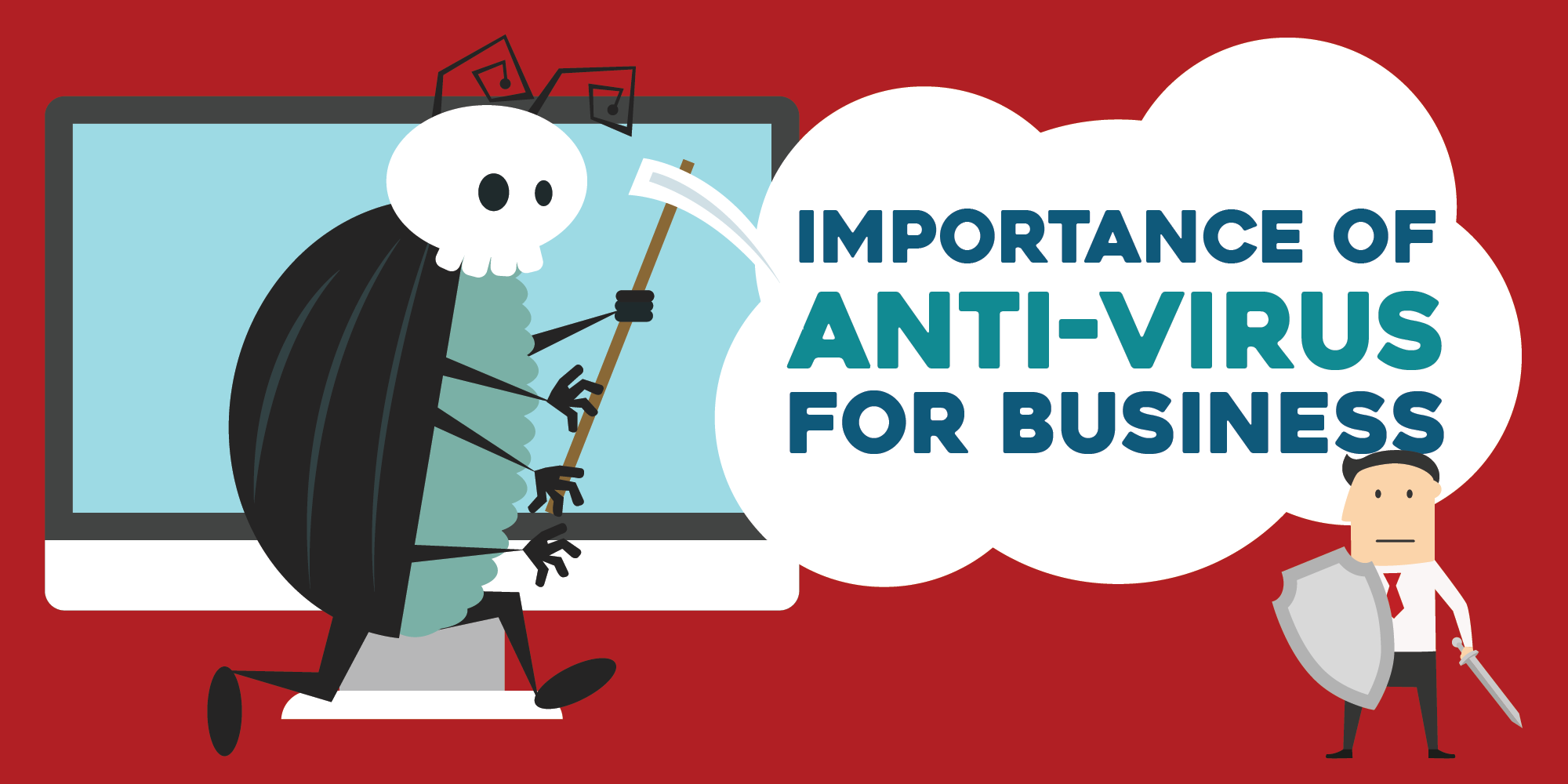
Nowadays, there are many businesses that turn to the internet to further widen their reach. Having your own site has been useful in letting more customers have access to the products and services that you offer. But of course, there are a lot of risks that comes with the use of connected computers in business.
There is always the matter of human interference – hackers who would intrude your website to gain your clients’ information such as credit card numbers. And then there’s also the problem of viruses and malware wreaking havoc either simply do harm or to extort money.
So here comes the question, just how necessary is it to install antivirus protection for your business?
While a lot of companies deemed enterprise antivirus software as a waste of money for not being able to detect all threats before they can do damage to their computers, there is no denying the necessity of anti-virus protection in every organization’s IT department.
While the main threats that most companies face that make headlines nowadays is usually hacking and data leaks, these usually come by way of a virus or malware that takes advantage of a security loophole, which makes these preventive measures more relevant than ever.
The problems caused by viruses and malware range from harming your network to hindering your business, overworking your PC’s CPU processes while consuming loads of memory, and even spamming your precious contacts with harmful or corrupted data.
Despite the decline in popularity on everyone’s subconscious, Anti-virus protection software remains a viable way to avoid getting a bad business day out of a malicious software attack.
So how do the top free antivirus vendors stay relevant in their latest offerings? The key area that most businesses need to take into consideration these days is how the cloud factors into all this. With the Internet of Things being an ever growing buzzword for moving technology forward, the cloud has played a major role on showing businesses the overall direction its taking.
Since businesses are embracing the idea of storing important and critical data in the cloud especially now that it is becoming more cost effective, the next big thing is offloading our processes in the cloud. That’s the whole premise of the cloud antivirus. Instead of relying on each and every business workstation in periodically checking if everything is completely safe, the next generation of endpoint security is in leveraging machines with dedicated hardware to do it for them in the cloud
What makes this idea of an online scanner the logical next step is that it makes virus & malware definition updates virtually extinct. Not only do cloud antiviruses remove the process of locally scanning for threats but it also omits majority of the updating since virus definitions are now continually updated in the cloud.
Businesses are now embracing the prospect of getting protected in the cloud with the added benefits of better performance and virtually zero down-time in productivity. Viruses and other malicious software are a problem that will continue to plague businesses as it increases its reliance on the web for productivity.
Keep in mind that the traditional protection that you can usually get with free antivirus may be losing relevance, but make no mistake – anti-virus and anti-malware software are here to stay. It is up to businesses whether or not they are willing to move their implementations towards the newer and better iterations of protection software.
Whether or not cloud is the right direction remains to be seen, but it’s where most of the security innovations are heading at the moment.
Confidential Information Leaks and Your Employees
What is an information leak?
An information leak takes place when confidential information is revealed to unauthorized persons or parties. Any cursory scan of news sources demonstrates that unfortunately, data leaks happen with alarming frequency. Unsurprisingly, if the information is leaked concerning project deals or tender information, there can be a large loss of revenue for your business.
Information leaks may not always appear to directly hamper your business; however, there are often indirect repercussions. The leakage of confidential customer information can harm the reputation of your company in the marketplace. Future customers will be apprehensive about working with you, or in divulging personal information to your company.
How to
Handle upper management carefully
IT professionals often work under the umbrella of technical terminology that’s not always accessible to those outside the department. This issue, among others, can cause friction between executive teams and those responsible for managing security. Interested in learning more? We’ve written a blog post on the resistance IT professionals can be met with when communicating cyber security issues to management.
Management teams are often the gatekeepers of important information. Often time’s confidential client information is not accessible to employees at a lower level in the company hierarchy. This opens up the possibility of an information leak stemming from upper management. That’s why it’s important to include executive members in all cyber security training sessions, regardless of whether they deem it necessary. It’s also another reason why it’s always a good idea to manage relationships carefully, ensuring that employees who leave your organization do so on a positive note. If the employee is happy they’re less likely to share information that could compromise your business.
Preventive measures
There is no point in crying over spilled milk. Once a client’s information is leaked, nothing much can be done about it. You can file a complaint, inform authorities about the infraction and wait for the law to handle the matter. All the more reason for you to work harder to prevent any future leaks. Here are some tips for preventing a security breach at your business:
- Mitigate threats from ex-employees by carrying out stringent security checks both before they’re hired and after they’ve left.
- Change passwords after the departure of any employees who have had access to sensitive information.
- Carry out a security check on all official and unofficial accounts and mail of ex-employees, at least once a month.
- Keep a regular check on the outflow of confidential information from the company.
- Improve internal systems and ensure that both the Human Resources and IT departments of your company work hand in hand to protect vital information.
- Collect workplace feedback from employees on a regular basis so that you will be able to nip any employee negativity in the bud.
- Hire information security and management controls.
- If personal mobile devices are being used, implement a BYOD policy. Unsure of what to include? Here are 7 suggestions on what to include in your BYOD policy.
Don’t impose blanket bans on employees – in order to work effectively they do require timely access to data. Blocking access to information may do more harm than good, and is not the solution to prevent future confidential customer information leakage. Instead, focus on training employees and giving them the skills and confidence they need to make security decisions.
Unfortunately, there are instances where employees have accidentally leaked confidential information. In such cases, the employee should be given the benefit of the doubt. Penalizing or firing such employees may lead to the loss of good talent and even create a negative impact on employee morale. Instead, strive to develop awareness across your organization about the risks of communication and IT leakages. Try new tactics to get people excited about cyber security, so that they’ll be interested in playing a more active role in protecting your organization.
How are you working to mitigate the risk of data leaks at your organization? Let us know in the comments below.
The Impact of Communication Technology on Business
What are security risks of hacked bank accounts?

Each year, over 900,000 of us find that thieves have used our card details to make purchases or to withdraw money from our accounts. However, proving that fraud has taken place on your account can be difficult.
Run antivirus and anti-malware software. Doing so could end up preventing computer viruses and losing your information.
How malware affects your business
Malware is a tool that hackers use to imitate your IPv4 address so they can gain access to your bank account.
Often you don’t even know that they have control over your bank account.
If your customers get tricked they tend to have trust issues and will look for an alternative business that doesn’t have any malware.
Double-check your transactions. Look over your statements for any fraudulent purchases, and report anything suspicious right away.
Your web browser checks the security certificate of websites, making it easier to detect invalid sites. So always make sure the websites you use are secure before entering personal information.

Consequence #1: Lost Sales
Unfortunately, bad news travels fast and if your business has experienced a hack in which data has been compromised, and then you can be sure that people will avoid your business at all costs. After a well know US retailer’s profits dropped drastically following a major hack, you can be sure the same would apply to any other business that gets hacked.
Consequence #2: Damaged Reputation
Once the damage is done, it can be very difficult to reverse. Consumer trust is something that is not easily won over and even harder to win back. At best, it can be ameliorated with countless hours of reputation management, marketing, and public relations.
Consequence #3: Compensation Costs
You may have to reassure people with compensation in the form of free credit monitoring and/or identity theft insurance. It’s free for your customers … it’s not free for you.
Consequence #4: Legal Action
Unfortunately lawsuits are commonplace nowadays. Regardless if your business wins or loses, legal action costs can be huge. If the breach occurred because your business made some mistakes, then it’s safe to assume that the law is not going to be on your side.
Consequence #5: Fines
The good news: if customers’ credit cards are actually used to purchase stuff fraudulently, you don’t have to foot that bill; the banks do the reimbursing. The bad news: the banks pass on those costs to you in the form of fines.
Consequence #6: Government Audits
Regardless of the country your business is in, if your business is large enough then there is a big chance that a government organisation such as the Federal Trade Commission (US) will be knocking on your door to carry out an audit. They may even decide to then fine your business if they find that guidelines such as PCI DSS were not followed.
Consequence 7: Remediation Costs
You’re also going to have internal remediation costs: costs to investigate what happened improve your security posture, fire and hire employees … whatever it takes to fix your internal information security environment.
Permanent financial damages 8:
Financial damages to a company came in as the second most feared repercussion following a breach. According to the Ponemon Institute, the average price for small businesses to clean up after their businesses have been hacked stands at $690,000, and for middle market companies it’s more than $1 million.
This cost escalates when organizations hire external IT professionals to help mitigate a security breach — something that would have been much more cost effective prior to a breach — but once the damage is done, it’s the best option.

Irreconcilable reputation damage 9:
A data breach isn’t just a small glitch — it is a damaging mistake that a company oftentimes is unable to shake off. The inevitable PR nightmare following a data breach causes reputation damage that may be irreconcilable.
This is particularly important for small businesses, because many do not see themselves as targets and they often believe a simple step such as the activation of two-factor authentication is good enough.
But, the consequences of a breach in a small business can far outweigh the effects of a breach at a large corporation, as there’s often not a strong enough reputation built up to fall back on.
Side effects can include other organizations’ unwillingness to partner with a company that has faced a data breach, but the losses oftentimes go beyond sales, as businesses are often forced to spend hefty funds on improving security measures.
The Impact of Communication Technology on Business
Lack Of Trust Costs Brands $2.5 Trillion Per Year

Failure to protect consumer data is used results in distrust and, ultimately, loss of business.
Those that succeed will hit a sweet spot whereby customers will be willing to share more personal insights into their world in return for greater value and the confidence that their data is protected
Here a few relevant findings:
- Lack of trust costs global brands $2.5 trillionper year. This compares to $756 billion lost by U.S. companies and 41 percent loss of clients.
- Forty-three percentof U.S. consumers and 44 percent of global consumers reported that they were more likely to buy from companies that personalize experiences.
- Thirty-one percentof U.S. respondents and 34 percent of global respondents stated they find value in services that learn their needs from personalization.
- Sixty-seven percentof millennials, 56 percent of Gen Xers, and 42 percent of Boomers claimed they would be willing to share their shopping preferences in order to improve the service they received.
- Eighty-sevenpercent of global consumers and 92 percent of U.S. consumers claimed they believe it is extremely important for companies to safeguard their information.
- Fifty-eight percentof global consumers and 66 percent of U.S. consumers want companies to be more transparent about how the information they gather is used.
Primarily, companies should focus on minimizing “switching,” referring to the loss of one customer or client to another brand or company, by addressing the most common customer service frustrations such as having to contact the company multiple times for the same reason, dealing with unfriendly or impolite employees, and not being provided what was promised at the time of purchase.
The generation with the highest propensity to “switch” and therefore in need of the most retention efforts? Millennials. This is due in large part to their elevated “digital prowess” rendering them more adept at identifying their alternatives and accelerating purchasing power that has them on pace to control $24 trillion in wealth by 2020.

Perhaps even more importantly, if we start trusting the people we’ve hired, then thousands of people could start looking forward to going to work again. It would save companies billions in reduced stress, depression and resignations, and improve output and innovation. After all, according to a survey by HBR and Energy Group, employees who felt their leaders treated them with respect (i.e. trusted them) were 63% more satisfied with their jobs, 55% more engaged, 58% more focused, and 110% more likely to stay with their organization.
That’s makes trust worthwhile for the bottom line too
CEOs must monitor stakeholder trust
If companies do not understand the drivers of stakeholder trust, a sustainable and resilient approach is unlikely to evolve.
Trust comes down to values, competence and customer experience
PwC recognises that the process of understanding what trust is, and how it can be measured and enlisted to underpin key business decisions, is complex and goes to the heart of a company’s values, competence and customer experience.
A starting point for all CEOs and their teams is to understand how they are demonstrating to stakeholders their commitment to integrity and values. A breach of values can be irretrievable. So balancing thorny issues like executive pay and the treatment of employees and communities is key.
Secondly, how are CEOs ensuring the customer receives the expertise and competence they have bargained for? Again, this is something no organisation can afford to consistently fail if repeat business is the aspiration. Thirdly, what experience are customers receiving in both good times and bad?
Consistently great customer, employee and stakeholder experience will cover all manner of sins when it comes to building, maintaining and gaining trust.

Behaviours That Improve Trust
The management behaviours that can improve the levels of trust in an organisation. These behaviours are measurable and can be managed to improve performance.
Recognise Excellence
There are many books that emphasise the need for effective recognition and experiments demonstrated that it is most powerful and long lasting when it occurs immediately after a goal has been met, when it comes from peers, and when it’s tangible, unexpected, personal, and public.
How can you and your managers organise and facilitate more of this?
Share Information Broadly.
Uncertainty erodes trust and a lack of communication from leaders creates a vacuum that is quickly filled with gossip and rumours based on people’s fears and insecurities. This can quickly lead to chronic stress which inhibits Oxytocin and undermines teamwork. . A 2015 study of 2.5 million manager-led teams in 195 countries found that workforce engagement improved when supervisors had some form of daily communication with direct reports. Regular and ongoing communication is key, businesses that share their strategy and explain why they are taking this approach reduce uncertainty. The social media optimisation company Buffer takes a radical approach to transparency and publishes salaries for all employees including the CEO online. What do you need to do more of to improve communication throughout your business?

Intentionally Build Relationships.
There are now numerous studies that show that teams that know each and have good interpersonal relationships outperform others with less social interaction. Our success as a species is due to our social skills and the brain network that Oxytocin activates is very old in evolutionarily terms. This means it is deeply embedded in our nature. Studies at Google found that managers who “express interest in and concern for team members’ success and personal well-being” outperform others in the quality and quantity of their work. What are you doing to help people build social connections and provide team-building activities?
Show Vulnerability.
Asking for help is a sign of a secure leader. When a leader asks for help instead of just telling people to do stuff it stimulates Oxytocin production in others, increasing their trust and cooperation. Many leaders feel as if they have to know all the answers and yet it is the leaders with healthy self-esteem who are more likely to be comfortable being vulnerable and engage everyone to reach common goals. Asking for help is effective because it taps into our natural evolutionary impulse to cooperate with others. What do you need in order to feel more comfortable asking for help?
Branding Case Studies
An elevated eCommerce experience that brings global brand growth
An elevated eCommerce experience that brings global brand growth
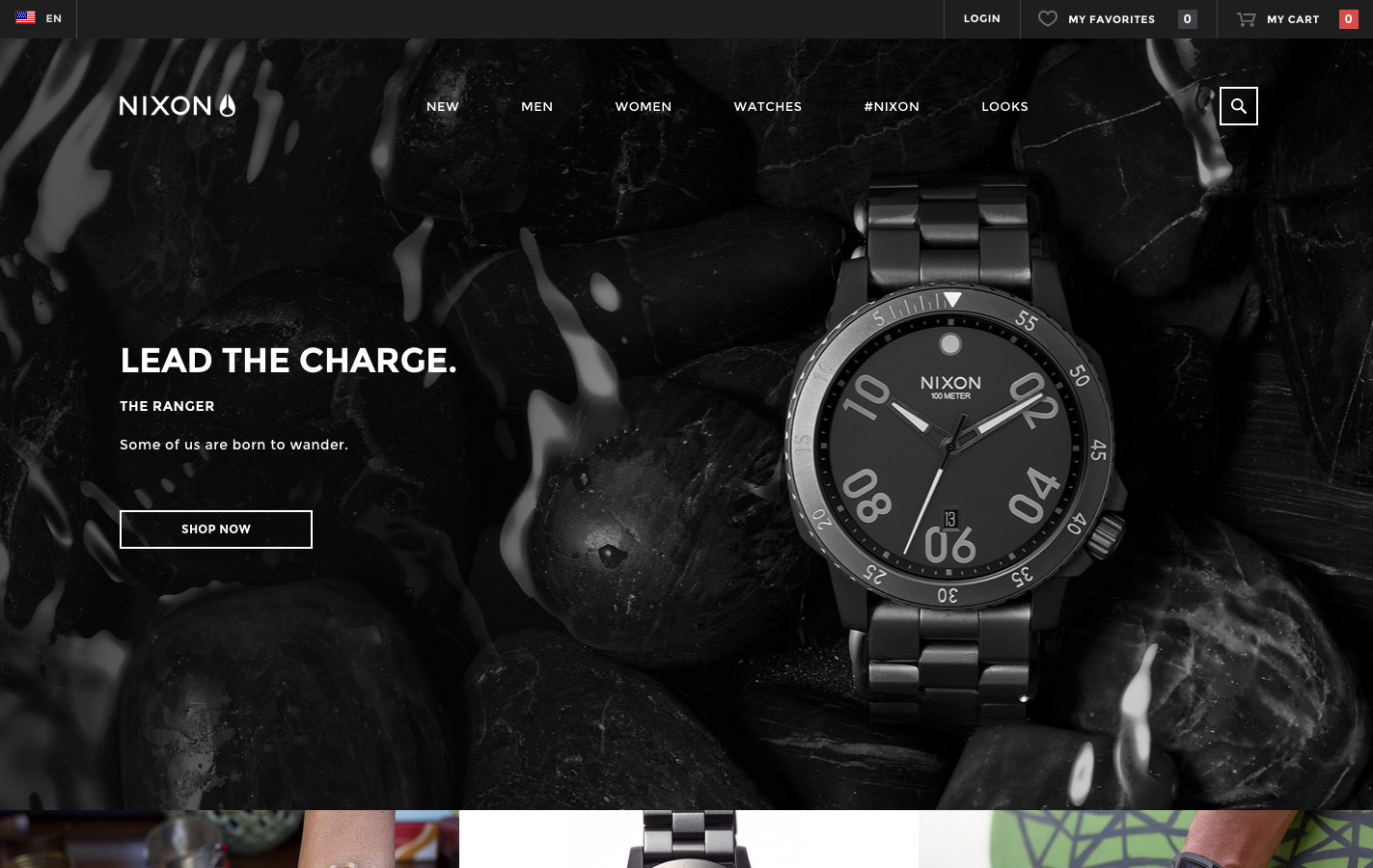
Bringing global brand growth to Nixon through eCommerce
A partnership for the ages
Nixon is a premium lifestyle and accessories brand, bridging the the gap between California surf culture and functional fashion. Over the years, Nixon has attracted a dedicated fan following, and the once small watch brand has become a global lifestyle brand in over 90 countries.
We teamed up to deliver an on point eCommerce platform worthy of its new stature. Our name is built on bringing the human experience to award-winning, consumer-facing digital. The partnership was sound, and the results speak for themselves.
Results
-
10%Increase in Average Order Value
-
50%Increase in Pageviews
-
85%Increase in Conversion Rate
Awards & Recognition
-
Webby Awards: 2016 Site of the Year
Shopping / eCommerce
-
Webby Awards: 2016 Nominee
Best Practices
-
Webby Awards: 2015 Honoree
Shopping / eCommerce
-
Webby Awards: 2015 Honoree
Best Practices
-
Awwwards: 2016 Site of the Year
eCommerce
-
Awwwards: Site of the Day
Site of the Day / 2015
-
Pixel Awards: 2015 Site of the Year
eCommerce
-

Addy Awards: 2015 National Silver
Websites
-
The FWA: Site of the Day
Site of the Day / 2015
PLAY
A shared obsession for detail
Nixon is a brand with an indisputable reputation for world-class design; its pride for the smaller things should not be overlooked though, because it’s Nixon’s watchful refinement and obsession for detail that makes its name. We share these values with them and our two teams joined as one to establish a digital strategy and creative design direction for the new platform.
After taking the time to learn Nixon’s core brand values, we designed in the style of its roots, philosophy, and future ambitions. Our focus was on striking photography that demanded attention and on minimal design that deserved attention. Crucially, we brought the Nixon brand centerstage throughout.
Global & local: no compromise
A globally emerging brand needs a flexible framework at the base of its strategy. We created dynamic modules that change depending on region, which achieves brand consistency and strategic flexibility at the same time. Partnering these two qualities takes thinking and hustle, but when they come together and it works, the brand can market specific brand content, product offers, and brand messaging on one digital platform, globally and locally.
Mobile Minded
Millennials and fashion-inspired consumers like to browse on their mobiles, and they expect the mobile experience to be as good as desktop. If people want to use their mobile phone to shop, our sites are designed accordingly. Our mobile designs aren’t scaled down from our desktop design; they are created deliberately and uniquely, with absolute focus on every responsive element.
Product focused
Throughout the eCommerce experience, the product never falls from focus. This is product storytelling. After research led us to understand the rich narratives around the inception and development of Nixon products, the pairing of product and experience was a seamless one. The strategy and design brings its craftsmanship, attention to detail, and distinct personality to the fore.
A revolutionary human experience
We strive to make the complex, simple, and sometimes that means reinventing and revolutionizing the standards. Throughout the digital platform, we crafted a number of intuitive and entertaining firsts in eCommerce.
Driving transactions is all about focusing on how people interact with the platform. We put the product centerstage at all times; the user can easily view their preferred products and add to cart instantly, with features, benefits, and brand-values always available.

The path to purchase
A major contribution to a successful eCommerce process is the pathway from browsing to purchase. We designed intuitive shopping interfaces with multiple paths to purchase, subject to customized content for each person and particular season. Search is much improved and the entire site is SEO-strong, ensuring the customer is always informed and excited about the brand.
Search Flow
Search is far superior and the entire site is SEO-strong, ensurung the customer is always informed and excited about the brand, with a clear pathway to purchase.
Personalized Shopping
When making purchasing decisions, a consumer might find any number of details intriguing enough to prompt a purchase. The product detail pages provide a rich experience, where each product purchase tile follows down the page to ensure that users know exactly what they are looking at and purchasing.
User Generated Content
Social proof has become synonymous with product reviews. A picture is worth a thousand words and with Nixon’s strong social presence, the integration of this content was an important inclusion within our design. Organic content has shown to increase conversions, and we built the site structure on that fact.
A partnership for the ages
Nixon is a premium lifestyle and accessories brand, bridging the the gap between California surf culture and functional fashion. Over the years, Nixon has attracted a dedicated fan following, and the once small watch brand has become a global lifestyle brand in over 90 countries.
We teamed up to deliver an on point eCommerce platform worthy of its new stature. Our name is built on bringing the human experience to award-winning, consumer-facing digital. The partnership was sound, and the results speak for themselves.
Results
-
10%Increase in Average Order Value
-
50%Increase in Pageviews
-
85%Increase in Conversion Rate
Awards & Recognition
-
Webby Awards: 2016 Site of the Year
Shopping / eCommerce
-
Webby Awards: 2016 Nominee
Best Practices
-
Webby Awards: 2015 Honoree
Shopping / eCommerce
-
Webby Awards: 2015 Honoree
Best Practices
-
Awwwards: 2016 Site of the Year
eCommerce
-
Awwwards: Site of the Day
Site of the Day / 2015
-
Pixel Awards: 2015 Site of the Year
eCommerce
-
Addy Awards: 2015 National Silver
Websites
-
The FWA: Site of the Day
Site of the Day / 2015
PLAY

A shared obsession for detail
Nixon is a brand with an indisputable reputation for world-class design; its pride for the smaller things should not be overlooked though, because it’s Nixon’s watchful refinement and obsession for detail that makes its name. We share these values with them and our two teams joined as one to establish a digital strategy and creative design direction for the new platform.
After taking the time to learn Nixon’s core brand values, we designed in the style of its roots, philosophy, and future ambitions. Our focus was on striking photography that demanded attention and on minimal design that deserved attention. Crucially, we brought the Nixon brand centerstage throughout.
Global & local: no compromise
A globally emerging brand needs a flexible framework at the base of its strategy. We created dynamic modules that change depending on region, which achieves brand consistency and strategic flexibility at the same time. Partnering these two qualities takes thinking and hustle, but when they come together and it works, the brand can market specific brand content, product offers, and brand messaging on one digital platform, globally and locally.

Mobile Minded
Millennials and fashion-inspired consumers like to browse on their mobiles, and they expect the mobile experience to be as good as desktop. If people want to use their mobile phone to shop, our sites are designed accordingly. Our mobile designs aren’t scaled down from our desktop design; they are created deliberately and uniquely, with absolute focus on every responsive element.

Product focused
Throughout the eCommerce experience, the product never falls from focus. This is product storytelling. After research led us to understand the rich narratives around the inception and development of Nixon products, the pairing of product and experience was a seamless one. The strategy and design brings its craftsmanship, attention to detail, and distinct personality to the fore.
A revolutionary human experience
We strive to make the complex, simple, and sometimes that means reinventing and revolutionizing the standards. Throughout the digital platform, we crafted a number of intuitive and entertaining firsts in eCommerce.
Driving transactions is all about focusing on how people interact with the platform. We put the product centerstage at all times; the user can easily view their preferred products and add to cart instantly, with features, benefits, and brand-values always available.

The path to purchase
A major contribution to a successful eCommerce process is the pathway from browsing to purchase. We designed intuitive shopping interfaces with multiple paths to purchase, subject to customized content for each person and particular season. Search is much improved and the entire site is SEO-strong, ensuring the customer is always informed and excited about the brand.
Search Flow
Search is far superior and the entire site is SEO-strong, ensurung the customer is always informed and excited about the brand, with a clear pathway to purchase.
Personalized Shopping
When making purchasing decisions, a consumer might find any number of details intriguing enough to prompt a purchase. The product detail pages provide a rich experience, where each product purchase tile follows down the page to ensure that users know exactly what they are looking at and purchasing.
User Generated Content
Social proof has become synonymous with product reviews. A picture is worth a thousand words and with Nixon’s strong social presence, the integration of this content was an important inclusion within our design. Organic content has shown to increase conversions, and we built the site structure on that fact.
What makes good Branding?
What is Branding?
Branding is not just a logo design. You can’t just design a logo and say “that’s our branding.” It’s factually incorrect.
Your logo design is part of your brand identity – which is different to your brand. You also can’t create a logo design and a set of stationery and call that branding either.
That’s only one tiny part of the branding puzzle. We’ll talk more about branding design and brand identity later in the post.
Branding is how people view and perceive your company. It’s also how you as the owner and your workforce view and perceive the company. It’s your what, your how, and your why.
It’s not the design of your logo, business, cards, or website. Again, that’s your brand identity. It’s about more than the brand design that your company has to offer.
It’s about how an audience connects with your company on multiple levels, and through different brand touch points.
A brand can be described as a company, service, product, or person that has a voice and personality of their own.
A designer can’t “make” a brand. Or design a brand. Designers design a brand identity that reflects a brand.
The branding itself has to come from the company. From their brand strategy.
- What are some of their core values?
- What do they stand for?
- What makes their product unique?
- What is their unique selling point?
- Who are their target customers?
Questions like this form the basis of a brand strategy and should be established within the company in the first instance. A designer or design agency builds the foundation of a brand, or is brought in to enhance the brand’s visual and corporate identity.
A lot of people, including some designers, think that branding a company simply involves designing a handful of visual elements; logo design, stationery design, colours, fonts etc. In reality, it is a lot more involved than that. A design or brand agency knits together the values of the brand with the visual identity. We don’t just produce a variety of pretty designs and call it a branding project. Professional design agencies take concepts and ideas from the companies brand strategy and bring them to realisation in the most appropriate format, sometimes suggesting improvements or refining the original strategy along the way.
A professional design or branding agency creates visuals that make up the corporate identity of a company, showing what it stands for and highlighting their beliefs. It’s not just purely a logo design and some colours put together and made to look pretty.
There are some great articles and books available about branding. I’d highly recommend reading Jacob Cass’s article Branding, Identity and Logo Design Explained; in which Jacob candidly explains the difference between the three practices.
The following video is also a great overview of the definition of branding and what branding is all about.
Why do Brands Hire Design Agencies?
Brands hire design agencies and graphic designers to establish or enhance their visual identity. When fully rebranding a company, the brand handbook goes out of the window, but in most cases, when hired by a company, designers are expected to work within a set of already established brand guidelines.
Brand identity guidelines describe how a brand’s identity should or shouldn’t be used across a variety of mediums. Logos are normally shown sitting on appropriate backgrounds, in appropriate colours.
They’re also displayed in ways that they shouldn’t be used. There are a lot of easily accessible brand guidelines, Google is your friend but the Skype brand guidelines are a particularly great example.
Brand guidelines ensure that the identity of a company is preserved and kept coherent no matter which visual device it’s applied to. Depending on the company the brand identity/brand image can be made up of any number of devices.
A company such as Nike could commission but not be limited to, the following to be created within their brand identity guidelines;
- A logo design (the main symbol behind the entire identity and brand)
- Stationery design (letterheads, business cards, compliment slips etc)
- Marketing Collateral (Flyers, brochures, books, websites, etc)
- Products & Packaging (Products sold and the packaging in which they come in)
- Apparel Design (Tangible clothing items that are worn by employees or sold as part of the brand’s strategy)
- Retail Design (interior and exterior signage as well as interior design of outlet stores)
- Email Design (email template design for newsletters, in-house memos etc)
- TV Advertising (visual style and elements of TV productions and advertising)
- Other Communication
All of the items listed above and many more make up a brands visual identity.
Your logo design is the embodiment of the brand wrapped up into one easily identifiable mark, but always remembers, a logo design alone is not a brand. It only represents a brand.
We’ve already written a fair bit of other stuff about logo design, check it out on the design blog if you’re unsure what a logo is or what they’re used for. Put simply, a logo design identifies a brand or product in its simplest form.
An Example of Perfect Branding
The easiest way to answer the question “What is Branding?” is to give the perfect example. In my eyes, one of the world’s biggest companies has their branding down to a tee, and that’s Apple.
Everything Apple does forms part of their brand, and they do a lot of different things.
For those that don’t know, Apple are one of the world’s biggest technology companies that designs, develops and sells consumer electronics, ranging from laptops to phones to televisions. Apple was formed by Steve Jobs and Steve Wozniak in April 1976 and is now one of the most famous multinational corporations in the world.
Everything Apple does is calculated and adds value to their brand communication and identity. The way they name things and typeset things (iPhone, iPod, iMac) through to the clean, functional style of their website adds to the Apple brand. The Apple brand in simple terms is “brilliant design that works.”
The way Apple delivers their keynote speeches; the accompanying videos on their website shortly before a product launch are all crystal clear in communication with an air of wonder and excitement built around them.
If somebody blindfolded you and drove you to a mystery location and when you opened your eyes and you saw bright white displays, perfectly shaped computers and gadgetry and shiny work surfaces, you would know that you were in an Apple store.
That’s branding. Apple’s customers go to them for several reasons, they want the best in modern technological appliances and they want it to look fantastic and function perfectly. Even their product boxes open and smell a certain way.
Apple has perfected branding. They’ve taken branding and expanded it into absolutely everything they do, building their whole company around it.
People have a certain level of expectation from Apple because of their branding, and part of their brand strategy is to deliver that and go beyond their customer’s expectations each and every time.
How Important is Branding?
If you look at some of the biggest brands in the world, you’ll notice that their branding is well thought out and it’s no coincidence that they’re the successful ones. Branding is an important feature of any business and all businesses should consider it as part of their marketing strategy.
In the design industry a lot of people tell clients that they should “look at design as an investment, not expenditure” and that’s not a bad way of thinking at all. When starting up, a lot of people will think “I’m not spending [x] amount on branding my company, it’s not worth it. I can do it myself for nothing.”
And that is what costs a lot of start-up businesses money. Would you decide to fix your own plumbing? Or would you hire a professional to do it for you? It’s the same thing with branding your business and creating your corporate identity.
What tends to happen is that the companies that have branded professionally from an early stage in their life, go on to realise that their initial investment into their brand has paid dividends in the long run.
We have an article about the cost of branding, just in case you’re not sure if it can work with your budget.
If you had a choice of two companies to use, and one had clearly used a professional to develop their brand identity, and the other had used Microsoft Paint to design their identity, who would you use?
And at the end of the day you don’t want your brand to end up on “Logo Designs Gone Wrong” like the Instituto de Estudos Orientais logo;
One of my favourite things to do on my lunch break is scroll through one of Twitter’s networking hours such as #NorthEastHour and look at user avatars and company websites.
In about 5-10 seconds it’s apparent which companies have used a professional to develop and enhance their brand, and which have relied on Paint and their “design knowledge” to deliver results. In an instant, I make a decision about whether I would buy something from the said company.
If their branding looks professional, and their site works, I decide yes. If the work looks like it’s done by an amateur on a design trip and their website doesn’t function properly, then I decide against it.
The above is just one example of people making a snap decision based on the way a company brands and presents itself. There are many instances in which people will make a decision on whether or not use your brand for their particular need. People choose this based on a number of factors, but branding unprofessionally will certainly hurt your chances of success.
But, I Can’t Afford Professional Branding
Can you afford not to have professional branding? Sure, if you hire a professional branding agency, things can get very expensive very quickly. However, it’s all about the return on investment.
If you invest £10,000 but make £100,000 as a result of branding or rebranding, then the initial expenditure has been worth it.
There are a few simple and low cost ways of making a difference to your brand strategy that you can start today to help build or reinforce your brand. Here are five questions to get you thinking about improving your branding.
1. What Does Your Brand Stand For?
Ask yourself what your brand is all about. What does your brand believe in? What do you want people to think about your brand when they hear your brand name? The supermarket brand Aldi is all about being a low cost supermarket, whereas Marks and Spencer’s branding positions them as a supermarket for high end luxury food products.
“Make a list of the differences and the extremes and start with that. A brand that stands for what all brands stand for stands for nothing much.” – Seth Godin
2. What Branded Collateral Already Exists?
Get all of your branded material out, spread it around your kitchen table and take a good look at it. Do you have a logo? Are you using the same logo design across all of your printed material? Does your logo look good? Is your contact information up correct on all of your collateral? Is it all consistent? Are you using the same colours and typefaces across all of your media?
3. Are You Using Social Media Correctly?
There are a lot of social media options available to businesses right now. At Canny Creative, we use Facebook, Twitter, Pinterest and Google+. Is your brand represented on social networking sites?
Does the visual identity of your brand flow into your web presence too? It’s best to keep your social media sites similar in style to your printed collateral and your website design.
You also need to think about the language you use, what you talk about and what you share on social media. Should you really be talking to your friends about the latest football results using your business Twitter profile? Probably not. We’d advice saving that for your personal Twitter account.
4. Is Your Website Yielding Results?
If your website doesn’t look similar to the rest of your branded materials, then it’s time to bring it in line. Also make sure that your logo design and brand colours are featured prominently on your website, this will aid in raising brand awareness.
Think about the way you present your service or product online. Are users seeing it in a positive light? Ask friends and family for feedback.
Does your website produce the results you were hoping? Are you making enough sales through your site? If you’re not, it’s worth exploring the user experience of your site.
Is it easy enough for your users to make a purchase, or get in contact? Does your site work as it should? There are lots of questions you can ask yourself, but even fixing the most basic of problems will help you along your way.
5. What Can You Do To Change It?
If you’re unsure about any of the things we’ve talked about above, then I’d advise getting in touch with a professional branding or design agency to see how they can help you. If you have any doubt at all about your branding, pick up the phone and see what they can do for you.
Lot agencies will offer a design consultation before starting work on a project.
If you’d rather go at it alone then; make sure you’re using a high quality version of your logo design and make sure the colours and typefaces that you use across your branded material are consistent. Visual elements are important and help potential customers remember your business.
So, What is Branding?
We’ve had a look at an example of a brand doing it right and we’ve explored the importance of branding for start-ups.
Conclusion: What is Branding?
Branding is the life and soul of your company. Your what, how, and why. It’s what you do, how you do it, and why you do it.
Combine these elements together with your brand identity design, and that’s branding.
I think one of the best definitions of brand I’ve seen is from the Tronvig Group;
“Branding is what sticks in your mind associated with a product, service, or organization — whether or not, at that particular moment, you bought or did not buy.”
Combine that with Jeff Bezos’ quote from earlier, and that’s branding summed up perfectly.
It’s the way your brand sticks in people’s minds, and, in that instance, convinces them to buy or not to buy what you’re selling.
However, branding isn’t always about convincing people to buy, it all comes back to your brand’s strategy and goals.
Sometimes it’s about creating brand loyalty, raising money for charity, convincing them to use your service, read your books, hire you for a job, and so on. Branding can be used for many different things.
Many people work on building personal branding too.
Look at Gary Vaynerchuk – one of the world’s first celebrity entrepreneurs.
He made his money through entrepreneurship, and entrepreneurship alone. Rather than making it through sports or media and then transitioning into a business leader.
To summarise; branding is not logo design. It’s not just about the visual elements of your brand.
It’s what your brand believes in and how you represent that.
It’s all about invoking an emotional response from your customers or clients. Making them think what you want them to think as soon as they hear your brand name.
Branding is how you and your company are perceived.
What does branding mean to you? Share your thoughts, success stories, and even failures in the comments below. We’d love to hear from you.
What Makes Design Good?
Websites that are not well designed tend to perform poorly and have sub-optimal Google Analytics metrics (e.g. high bounce rates, low time on site, low pages per visit and low conversions). So what makes good web design? Below we explore the top 10 web design principles that will make your website aesthetically pleasing, easy to use, engaging, and effective.
1. PURPOSE
Good web design always caters to the needs of the user. Are your web visitors looking for information, entertainment, some type of interaction, or to transact with your business? Each page of your website needs to have a clear purpose, and to fulfill a specific need for your website users in the most effective way possible.
2. COMMUNICATION
People on the web tend to want information quickly, so it is important to communicate clearly, and make your information easy to read and digest. Some effective tactics to include in your web design include: organising information using headlines and sub headlines, using bullet points instead of long windy sentences, and cutting the waffle.
3. TYPEFACES
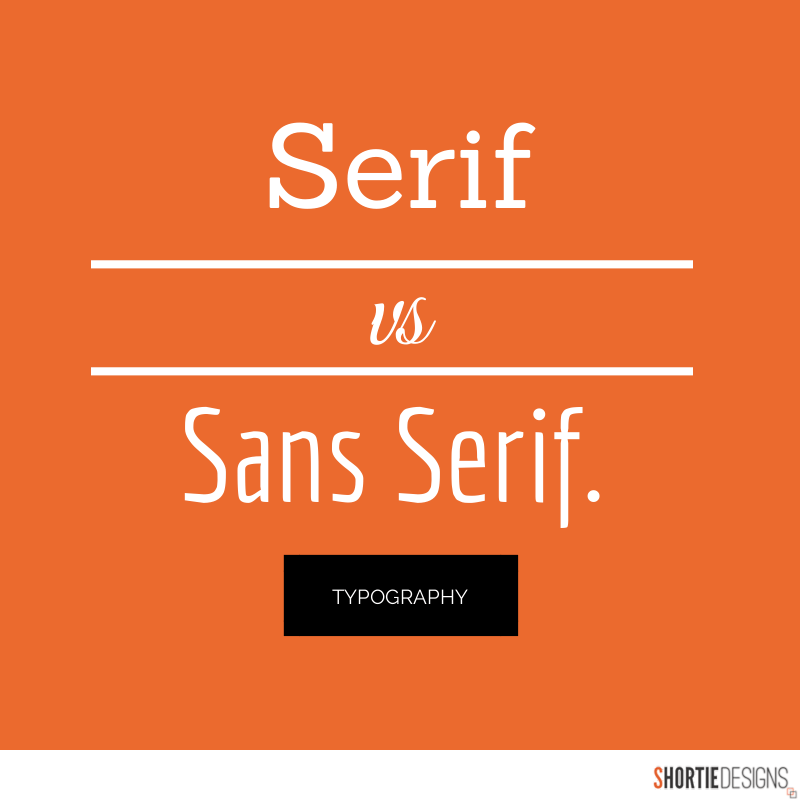
In general, Sans Serif fonts such as Arial and Verdana are easier to read online (Sans Serif fonts are contemporary looking fonts without decorative finishes). The ideal font size for reading easily online is 16px and stick to a maximum of 3 typefaces in a maximum of 3 point sizes to keep your design streamlined.
4. COLOURS
A well thought out colour palette can go a long way to enhance the user experience. Complementary colours create balance and harmony. Using contrasting colours for the text and background will make reading easier on the eye. Vibrant colours create emotion and should be used sparingly (e.g. for buttons and call to actions). Last but not least, white space/ negative space is very effective at giving your website a modern and uncluttered look.
5. IMAGES
A picture can speak a thousand words, and choosing the right images for your website can help with brand positioning and connecting with your target audience. If you don’t have high quality professional photos on hand, consider purchasing stock photos to lift the look of your website. Also consider using infographics, videos and graphics as these can be much more effective at communicating than even the most well written piece of text.
6. NAVIGATION
Navigation is about how easy it is for people to take action and move around your website. Some tactics for effective navigation include a logical page hierarchy, using bread crumbs, designing clickable buttons, and following the ‘three click rule’ which means users will be able to find the information they are looking for within three clicks.
7. GRID BASED LAYOUTS
Placing content randomly on your web page can end up with a haphazard appearance that is messy. Grid based layouts arrange content into sections, columns and boxes that line up and feel balanced, which leads to a better looking website design.
8. “F” PATTERN DESIGN
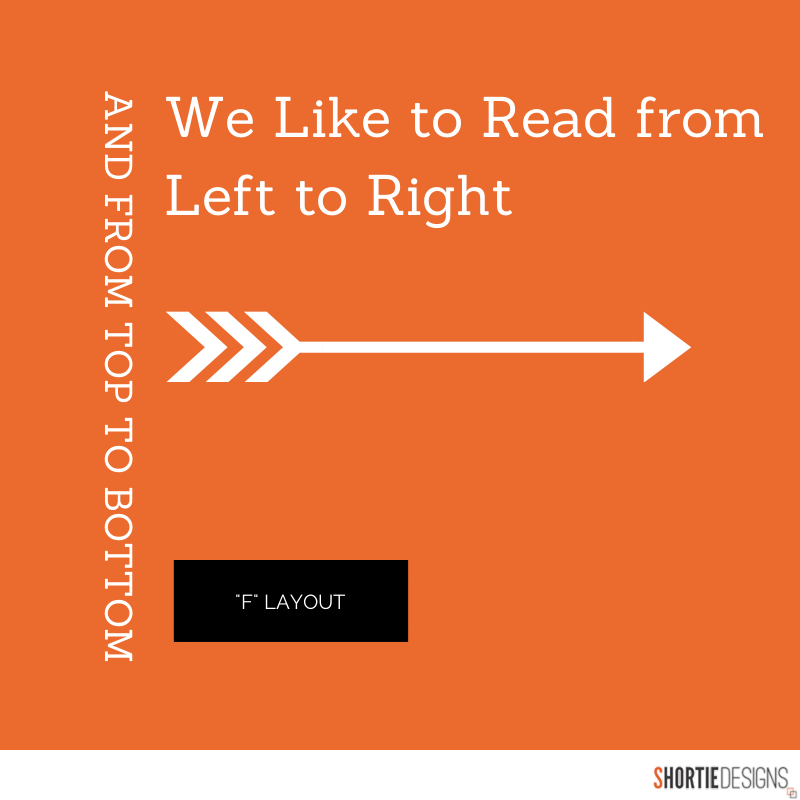
Eye tracking studies have identified that people scan computer screens in an “F” pattern. Most of what people see is in the top and left of the screen and the right side of the screen is rarely seen. Rather than trying to force the viewer’s visual flow, effectively designed websites will work with a reader’s natural behaviour and display information in order of importance (left to right, and top to bottom).
9. LOAD TIME
Everybody hates a website that takes ages to load. Tips to make page load times more effective include optimising image sizes (size and scale), combining code into a central CSS or JavaScript file (this reduces HTTP requests) and minify HTML, CSS, JavaScript (compressed to speed up their load time).
10: MOBILE FRIENDLY
It is now commonplace to access websites from multiple devices with multiple screen sizes, so it is important to consider if your website is mobile friendly. If your website is not mobile friendly, you can either rebuild it in a responsive layout (this means your website will adjust to different screen widths) or you can build a dedicated mobile site (a separate website optimised specifically for mobile users).
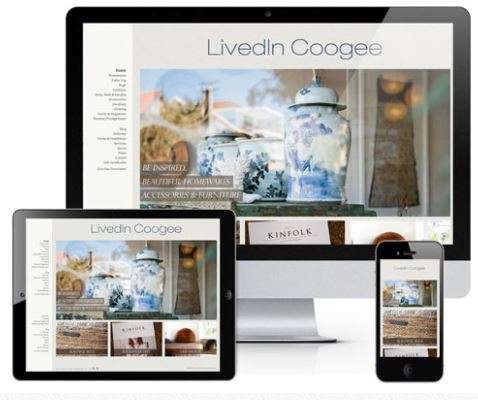
It is easy to create a beautiful and functional website, simply by keeping these design elements in mind. Have you got a website design that needs reviewing or optimising? Or perhaps, you are planning a website and you are looking to get the design right from the ground up. Either way, these principles of effective web design can help your website be more engaging, useful, and memorable for visitors.

The Journey Begins
Thanks for joining me!
Good company in a journey makes the way seem shorter. — Izaak Walton

 Puria
Puria 